
Explore How Digital Technology Transforms the Music Industry
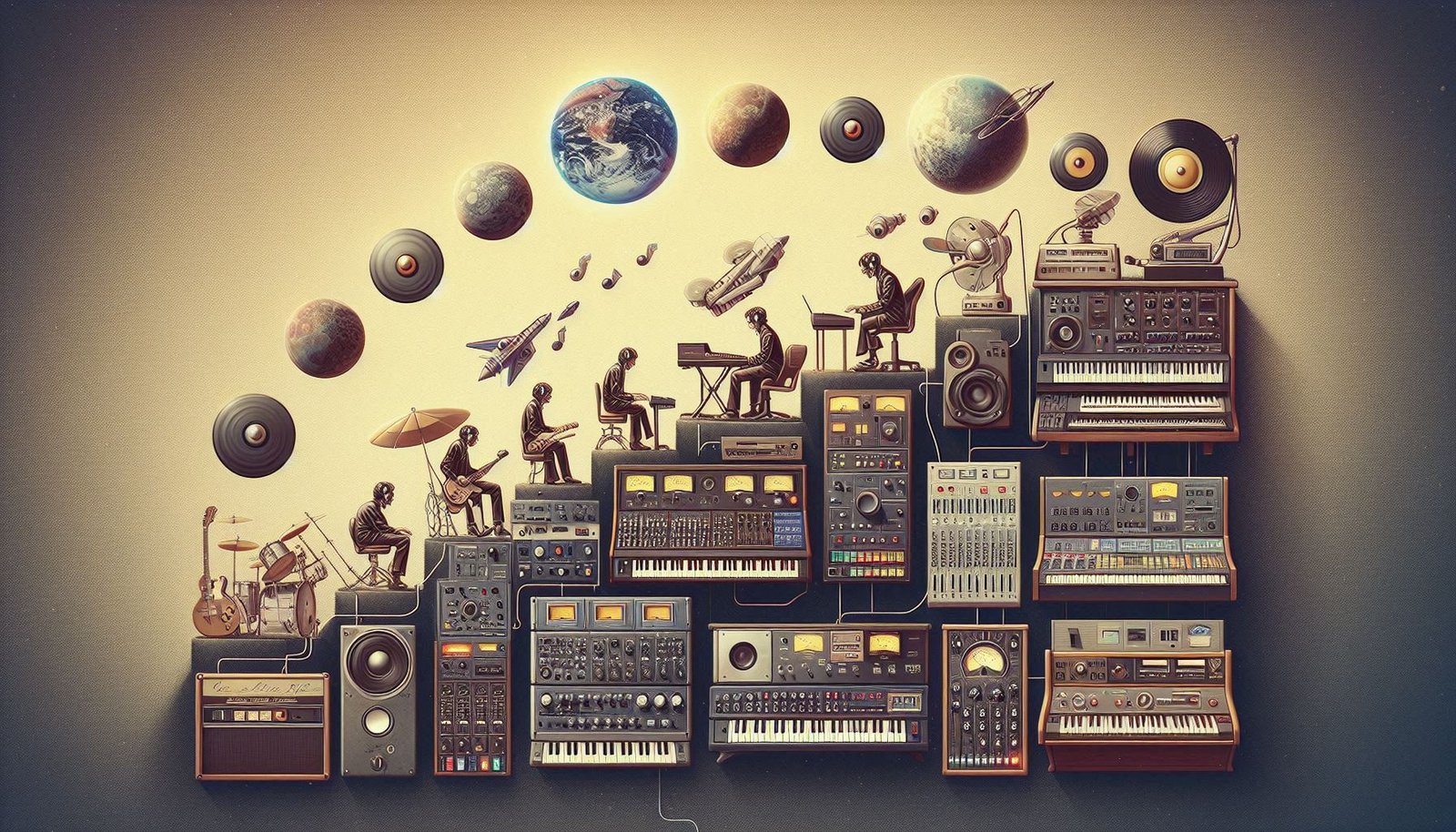
More than 80% of global music revenue now comes from digital sources, according to the International Federation of the Phonographic Industry (IFPI). This staggering figure highlights how digital technology has thoroughly reshaped the music industry over the past two decades. As streaming, social media, and affordable production tools become the new norm, musicians and listeners face a landscape transformed by innovation but still marked by challenges. What are the most profound changes brought by technology, and what hurdles must artists and the industry overcome as digitalization continues?
Digital Tools Empower Creators
Accessible technology has paved the way for a seismic shift in how music gets made. Once, high-quality production required expensive studio time and professional engineers. Today, a laptop and a few pieces of software can put major label capabilities into the hands of anyone with creativity. Digital Audio Workstations (DAWs) such as Ableton Live, FL Studio, and Logic Pro have become the backbone of home studios. These platforms allow musicians to record, edit, arrange, and mix tracks with precision. Alongside DAWs, virtual instruments, synthesizers, and MIDI controllers give artists an endless palette of sounds to craft unique compositions.
Self-publishing tools have also democratized distribution. Platforms like SoundCloud and Bandcamp enable musicians to release their work directly to listeners worldwide, sidestepping traditional gatekeepers. For example, singer Clairo found viral success by sharing lo-fi tracks online, leading to a record deal and global tours. Similarly, electronic producer RAC built a Grammy-winning career by self-releasing remixes and albums, showcasing the potential for independent success in the digital environment.
Social Media and Global Reach
Promotion in the music world has moved far beyond posters and radio airplay. Social media now connects artists and fans across continents in real time. Platforms like YouTube, TikTok, and Instagram serve as launchpads for new music, allowing songs to reach millions within hours. The phenomenon of music “going viral” can catapult unknown artists into international stardom overnight.
A vivid example is Lil Nas X, whose single “Old Town Road” spread rapidly via TikTok memes and user-generated videos, topping charts for a record-breaking nineteen weeks. These platforms give musicians unprecedented control over their public image and allow direct engagement with listeners through comments, livestreams, and interactive content. This bypasses music industry gatekeepers, making the path from creator to fan more immediate than ever before.
Innovative Production and Collaboration
Digital tools are not just making creation easier—they are enabling entirely new musical approaches. Musicians increasingly experiment by blending electronic and traditional elements, producing genres that defy easy classification. Collaborative platforms such as Splice and Dropbox make it possible for artists to co-write songs and share project files remotely, connecting musicians in different countries without ever meeting in person.
Cross-border collaborations have produced innovative hits: British producer Mura Masa and American rapper A$AP Rocky teamed up on “Love$ick” largely through online exchange. Emerging technologies are poised to further disrupt the scene. Artificial intelligence (AI)-generated music, such as tracks created by OpenAI’s MuseNet, introduces new creative possibilities and questions about authorship. While still experimental, these tools may soon become a regular part of the creative arsenal.
In many ways, the digital revolution has reshaped not only music but also other entertainment formats. Just as artists now collaborate online and audiences stream performances instantly, gaming and interactive shows have also migrated into the digital realm. What used to be traditional TV game shows is now reborn as fully online, live-streamed entertainment available around the clock. Modern interactive game shows, for example, bring together elements of real-time hosts, visual effects, and fast gameplay—creating a format that mirrors the same technological evolution seen in music. One of the most vivid examples of this new wave is Funky Time, a show that blends live hosting with dynamic digital features, and fans often gather on dedicated platforms such as www.funkytimegame.org to follow updates, guides, and access points.
These developments highlight how digital innovation continues to blur boundaries, transforming not only how content is created but also how global audiences engage with it—an evolution that mirrors the broader shifts happening across the entertainment landscape.
Streaming Services and Changing Consumption
The transition from physical formats—vinyl records, cassette tapes, CDs—to digital downloads, and now streaming, has revolutionized how people listen to music. Streaming services like Spotify, Apple Music, and Amazon Music now dominate consumption. Listeners enjoy instant access to tens of millions of songs, curated playlists, and algorithm-driven recommendations.
This model has altered listening habits: albums are frequently replaced by playlists, and discovery is shaped by algorithms rather than radio DJs. According to MIDiA Research, streaming accounted for nearly two-thirds of global music revenues in 2023. Music discovery has become more personalized, and fans can explore niche genres with ease, reshaping the relationship between artists and their audiences.
Artist Revenue and Industry Challenges
Alongside these opportunities, digitalization has triggered complex debates on artist income. Traditional revenue streams—album sales, touring, concert tickets—are still vital, but digital earnings, primarily from streaming royalties, now play a central role. However, streaming royalty rates remain a contentious issue. According to a 2022 study by the UK’s Intellectual Property Office, artists receive on average less than $0.005 per stream. This has sparked criticism over fairness and transparency, especially for independent musicians who may not reach the massive streaming numbers needed for substantial income.
Major labels often negotiate better rates and prominent playlist placement, while emerging artists can struggle to break even. Advocacy groups and industry analysts debate how to balance the interests of creators, platforms, and listeners, with some calling for reforms or new compensation models to ensure long-term sustainability.
Emerging Trends and the Future of Digital Music
The digital music landscape continues to evolve. AI-generated compositions are beginning to blur the line between human and machine creativity. Platforms now experiment with virtual concerts and immersive digital performances, as seen in Travis Scott’s and Ariana Grande’s in-game shows for Fortnite, which attracted millions of virtual concertgoers. These developments hint at a future where music is not just heard but experienced in new, interactive ways, potentially changing both the business and artistry of music.